Clash Detection
& Coordination
Navisworks-based federated model clash detection across all disciplines, BCF issue reporting, structured coordination, and iterative resolution until your model is clash-free before it reaches the site.
Every clash resolved
before it becomes a problem.
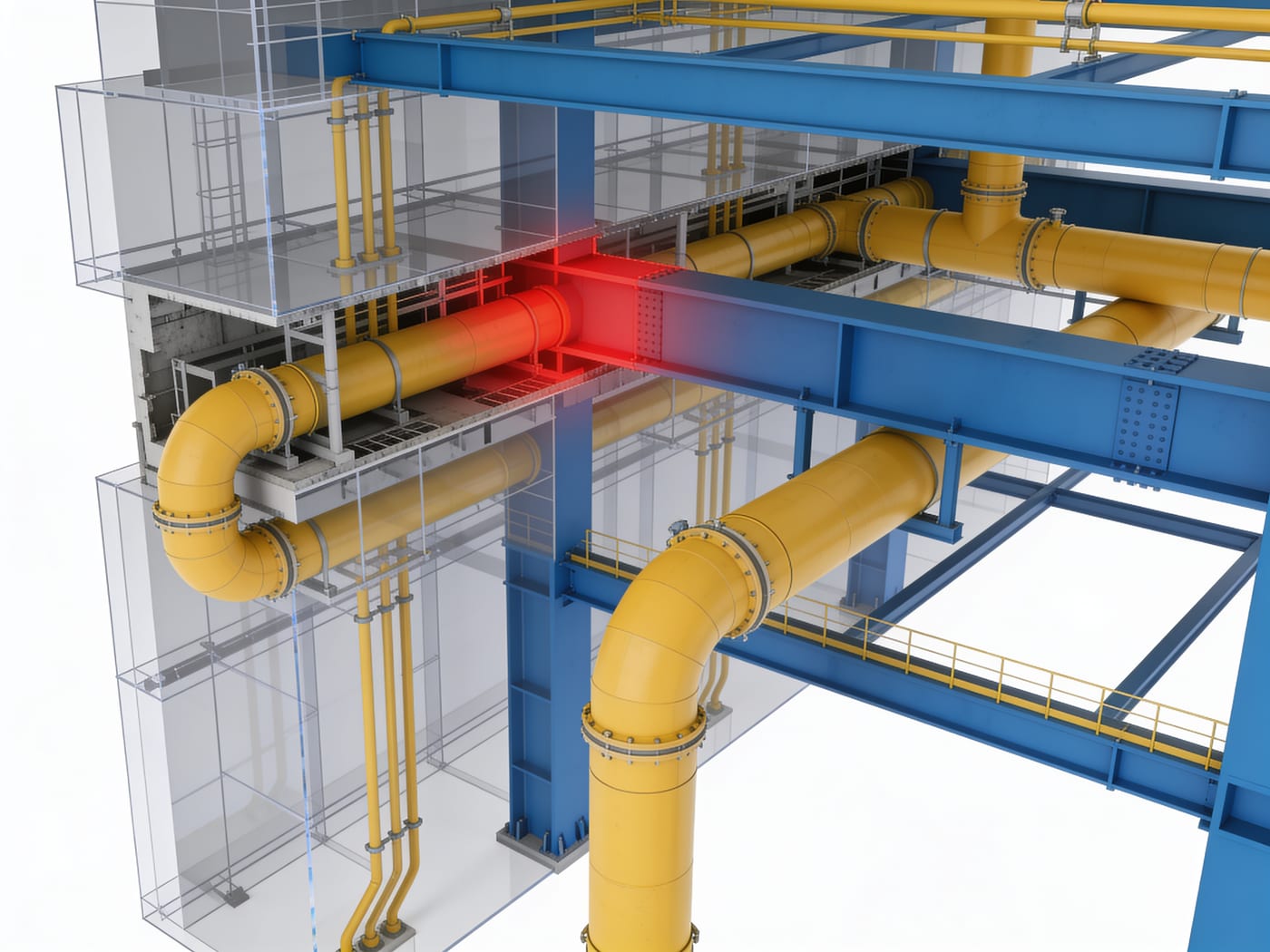
A clash in a BIM model costs nothing to fix. The same clash discovered on site, after the steel is up, the concrete is poured, or the ceiling is closed, can cost orders of magnitude more. Clash detection is the discipline that makes the rest of BIM's value proposition real.
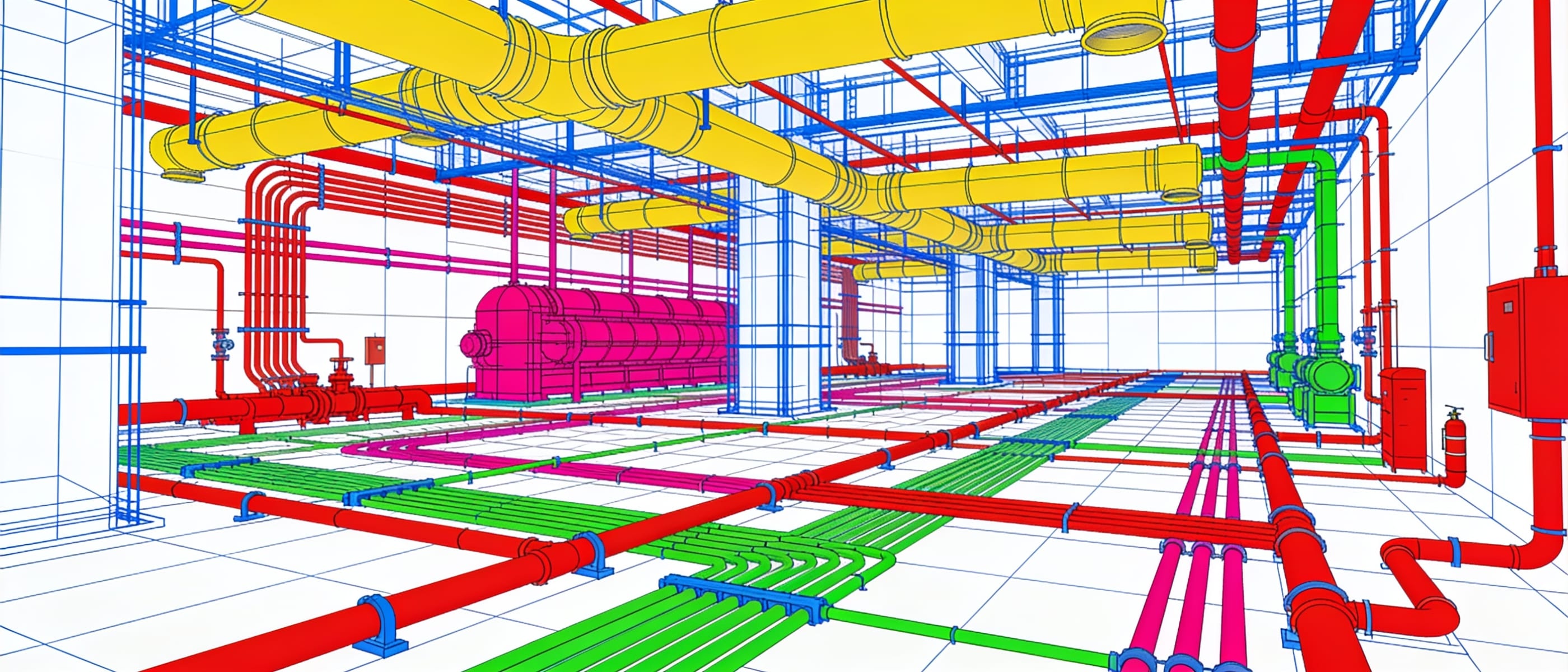
neoBIM runs Navisworks coordination on federated models across all disciplines, architectural, structural, mechanical, electrical, and hydraulic, with structured BCF reporting and iterative model revision cycles until the model achieves an agreed clash-free status.
Scope of Service
Federated Model Assembly
All discipline models aggregated into a Navisworks federated model, shared coordinates verified, model origins confirmed, and discipline file versions documented before each clash run.
Clash Rule Configuration
Navisworks clash tests configured to your project's discipline pairing matrix, hard clashes, clearance clashes, and duplicate checks run as appropriate for each discipline combination.
BCF Issue Reporting
Each confirmed clash raised as a BCF issue, with viewpoint, clash location, responsible discipline, and priority classification. Issues linked to model elements for traceability.
Coordination Meetings
Coordination meeting facilitation, reviewing outstanding issues, assigning responsibility, and confirming resolution timeframes. Meeting minutes and action log maintained throughout.
Iterative Resolution Cycles
Each model revision re-run against all prior clash tests. Status updated, open, in-progress, resolved, until all active clashes within agreed scope are closed.
Clash-Free Certification
Final coordination report issued confirming clash-free status at agreed scope, model version, date, discipline file versions, and clash test configuration all documented for audit purposes.
Our Process
Clash Detection Matrix Setup
We establish the discipline pairing matrix and clash test parameters for the project, which pairs to test, what tolerance to apply, and what elements to exclude from testing (agreed acceptable clashes).
Model Federation & Verification
Discipline models are received, origins and coordinates verified, and a federated Navisworks model assembled. Any georeferencing issues are flagged and corrected before clash runs begin.
Clash Run & Issue Triage
Clash tests run across all active discipline pairs. Results triaged, genuine clashes raised as BCF issues; duplicates, false positives, and accepted conditions filtered and documented.
Issue Distribution & Resolution
BCF issues distributed to responsible disciplines. Resolution tracked, models re-received, re-run against prior tests, and updated issue status distributed to all parties at agreed coordination intervals.
Final Clash-Free Report
Once agreed scope is clash-free, a final coordination report is issued, documenting model versions, test results, accepted conditions, and clash-free certification for project records.
Deliverables
Ready to coordinate
your model?
Share your discipline models and coordination requirements and we'll set up a Navisworks federation and begin your first clash run within 48 hours. Clash-free delivery, not clash-reduction.